
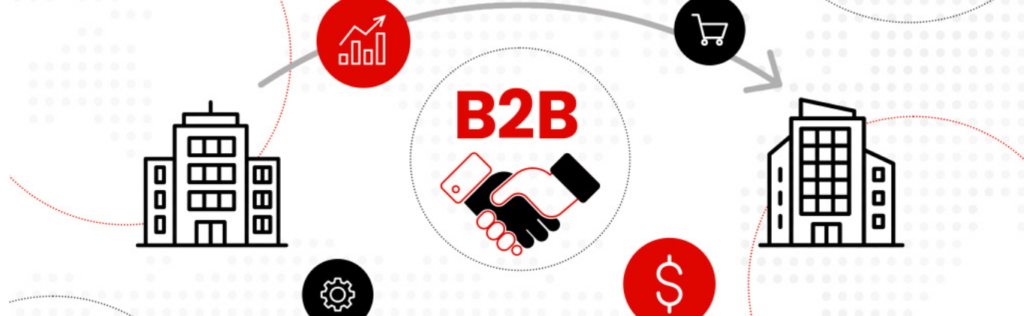
B2B buying has changed. Buyers now use many channels. They visit websites. They use online portals. They talk to sales teams. They also use mobile apps.
McKinsey’s 2026 Global B2B Pulse found that B2B buyers use an average of 10 channels during their buying journey. It also found that 71% of B2B companies offer e-commerce. Around one third of their revenue now comes through digital channels. That creates a new challenge. All these channels need to work together. This is where integrated commerce can help.
What Is Integrated Commerce?
Integrated commerce connects the main parts of an e-commerce business. Orders connect with inventory. Payments connect with accounting. Shipping connects with orders. Customer data stays connected too. The goal is simple. Keep business data moving. Keep teams on the same page. A strong integrated commerce platform can make this possible. It can also reduce the need for manual work.
Why B2B Operations Need It
B2B businesses have complex daily tasks. Orders can be large. Prices can vary. Several people may approve one order. Customers may have special catalogs. Vendors may also be part of the process. This makes daily operations harder. A disconnected system adds even more work. One team may have updated information. Another team may still have old data. That creates problems. The sales team sees one price. The customer sees another. The warehouse sees different stock. Someone then has to fix it.
Inventory Is a Good Example
Inventory needs to be accurate. This becomes harder when a business has several warehouses. It gets harder when sales happen across many channels. A customer may order online. The stock should change immediately. The warehouse should see the order.
The sales team should see the same update.
This is where e-commerce inventory software can help. The same applies to e-commerce stock management software. A connected system gives teams a clearer view of stock. It also helps reduce overselling.
Orders Can Move Faster
Order processing involves many steps. First, the customer places an order. Then payment is confirmed. Stock needs to be checked. The warehouse needs the order. Shipping needs the delivery details. The customer needs an update. Disconnected systems can slow this process. Integrated systems can connect these steps. That makes daily work easier. It also gives customers better updates.
Accounting Should Not Be Separate
Finance teams need accurate sales data. They also need payment information. They need invoices. They need refunds and order records. If these details sit in different systems, teams spend time matching them. This is where e-commerce accounting software becomes useful. When accounting connects with commerce data, records can update faster. Teams spend less time checking spreadsheets. They can focus on financial planning instead.
Shipping Is Part of the Same Process
Shipping is not a separate task. It starts with the order. It depends on inventory. It also depends on customer details. This makes shipping software for ecommerce more useful when it is connected to the rest of the platform. The right courier can receive the order. Tracking information can move back to the customer. Teams can also see delivery progress. There is less need for manual updates.
Automation Makes Daily Work Easier
Some tasks happen again and again. Stock updates. Order notifications. Payment updates. Shipping messages. Reports. These tasks do not always need manual work.
E-commerce automation software can handle many of them. This saves time. It also reduces human error. A team can then focus on customers and growth.
B2B Buyers Want Better Digital Experiences
B2B buyers are not limited to one channel anymore. They may research online. Then speak to sales. Then return to the website. They may later reorder through a digital portal. McKinsey found that more than half of B2B buyers want a seamless experience across their channels. It also found that buyers are willing to switch suppliers when the experience is poor. This makes connected commerce more important. The customer should not feel the gaps between systems.
Personalization Also Matters
B2B buyers do not all need the same things. One customer may need wholesale pricing. Another may need a different product range. A third may need a special catalog. This is where personalization software for ecommerce can help. Businesses can create different experiences for different buyers. The result can be more relevant shopping journeys. It can also make repeat orders easier.
Marketplaces Have More to Manage
B2B marketplaces add another layer. There may be hundreds of sellers. Each seller has products. Each seller may have different stock. Orders also need to be assigned correctly. This makes marketplace management system technology important. A marketplace needs clear seller data. It needs accurate inventory. It needs order visibility. It also needs payment and commission tracking. A connected system makes these tasks easier to control.
How Comverse by Ginkgo Retail Helps
Comverse by Ginkgo Retail focuses on connected commerce.
Its integration platform links e-commerce platforms, CRMs, and ERPs. It supports real time data sharing between these systems. It also allows businesses to create integrations around their specific needs.
This is useful for B2B businesses. They may already have an ERP. They may use a CRM. They may also work with payment and logistics providers. Comverse can connect these systems. That keeps information moving. It also reduces manual work.
What Comverse Integrations Can Improve
Comverse focuses on four main areas.
Better connectivity.
E-commerce platforms, CRMs, and ERPs can share data in real time.
Custom integrations.
Businesses can adapt integrations to their own workflows.
Lower operating costs.
Automation can reduce manual work and errors.
Better scalability.
Connected systems make it easier to grow operations.
These benefits matter when a B2B business starts expanding.
A Better Way to Manage E-Commerce Software
Businesses often use several tools. That is not always a problem. The real problem is poor communication between those tools. A good e-commerce software platform setup should keep systems connected. It should also support growth. This is why businesses should look beyond basic ecomm software. They need technology that can connect their daily operations.
Comverse and B2B Growth
Comverse supports businesses that need more than a basic online store. It can support marketplace operations. It can connect business systems. It can support global commerce. It can also support different sales channels. This makes it useful for companies looking for modern b2b ecommerce software. It also supports a connected approach to electronic commerce software. The focus is not just on selling products. It is on managing the full operation.
The Role of Shopping Cart and Customer Experience
The checkout is still important. Customers want a simple buying process. They do not want repeated steps. They also do not want outdated information. Good shopping cart software should work with inventory and order data. That helps keep the buying journey smooth. The same data should also support customer service. A connected platform can make this easier.
Final Thoughts
B2B businesses have more moving parts than ever. More channels create more data. More customers create more orders. More markets create more complexity. Disconnected systems make this harder. Integrated commerce brings the pieces together.
Comverse by Ginkgo Retail supports this approach through its integration platform. It connects e-commerce platforms, CRMs, and ERPs. It also supports customizable integrations. The goal is to reduce manual work, limit errors, and improve scalability.
For B2B businesses, this can mean simpler daily operations. Inventory stays clearer. Orders move faster. Payments are easier to track. Shipping becomes more connected. Customer data becomes more useful. Teams spend less time fixing gaps. They can spend more time growing the business. That is the real value of integrated commerce. Intrigued? Find out more at: https://comverseglobal.com/book-a-demo/.
FAQS
What is integrated commerce in B2B e-commerce?
Integrated commerce connects orders, inventory, payments, shipping, and customer data. It helps teams manage daily work from connected systems.
How does integrated commerce improve B2B operations?
It reduces manual work and keeps business data updated. Teams can process orders faster and avoid common data errors.
Why are ecommerce integrations important for B2B businesses?
E-commerce integrations help systems like ERP, CRM, inventory, and e-commerce platforms share data. This keeps information consistent across the business.
How does Comverse by Ginkgo Retail support B2B businesses?
Comverse connects e-commerce platforms, CRMs, and ERPs. It also supports custom integrations for different business needs.
Can Comverse support growing B2B marketplaces?
Yes. Comverse supports marketplace operations, connected systems, and scalable workflows. This helps businesses manage more orders, sellers, and customers as they grow.

