
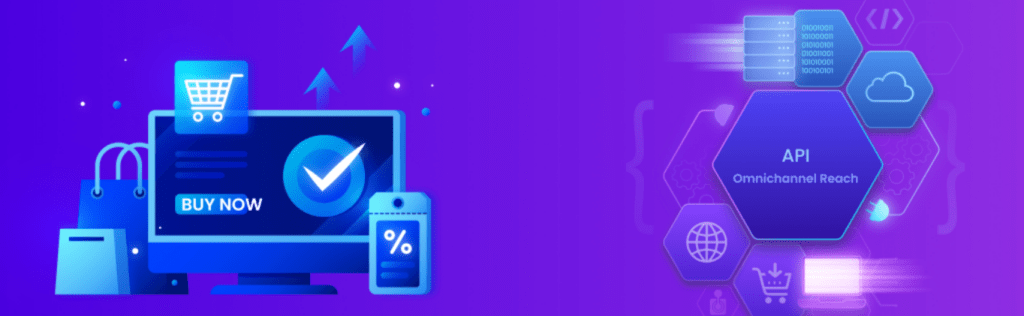
Online selling has changed a lot in the last few years. Customers shop on phones, websites, apps, and even social platforms. Because of this, businesses now need systems that can handle more than just a basic online store. This is where headless commerce comes in.
In 2025, the global headless commerce market reached nearly 1.7 billion dollars. Analysts expect it to grow beyond 7 billion dollars by 2032. This growth is driven by real problems that brands face every day. Speed issues. Customization limits. Systems that break when traffic increases. These challenges push businesses to look beyond traditional setups.
What Headless Commerce Really Is
Headless commerce separates the front end from the back end. The front end is what customers see. It includes the website design, mobile app screens, and user experience. The back end manages products, pricing, orders, payments, inventory, and security.
Both parts talk to each other through APIs. This means developers can change design without touching operations. They can add new sales channels without rebuilding the entire system.
Comverse by Ginkgo Retail is built around this idea. It works as a global smart e-commerce platform that gives businesses control without making systems fragile.
How Traditional E-Commerce Platforms Work
Traditional e-commerce platforms bundle everything together. Design, logic, checkout, and inventory all sit inside one system. Platforms like Shopify, WooCommerce, and Magento follow this structure.
This model works well for new businesses. It helps brands launch quickly. It reduces early complexity. But problems appear as soon as growth starts. Custom features need plugins. Updates cause conflicts. Performance slows down.
That is why many growing brands search for global Shopify alternatives that allow long-term scaling.
Why Headless Commerce Solves These Problems
Headless commerce removes these limits. Teams can build fast front ends without worrying about backend stability. Marketing teams can update content freely. New devices and channels can be added easily.
This matters a lot for brands running global operations. A business might run one store for Pakistan. Another for the Middle East. A mobile app for loyal customers. A private portal for B2B buyers. All of these can connect to one backend.
Comverse supports this through a global e-commerce smart hub approach. All data stays connected. Inventory remains accurate. Orders stay in sync.
How Composable Commerce Fits In
Composable commerce takes headless ideas further. Every system becomes modular. Content. Search. Payments. CRM. Each part can be replaced or upgraded without breaking others.
Many enterprise brands already work this way. They combine different tools based on need. This gives flexibility and future safety.
Comverse supports open integrations. Businesses can connect CRM tools, payment gateways, ERP systems, and analytics platforms. This allows gradual growth into composable setups without replacing the core system.
Why Headless Matters for B2B and Marketplaces
B2B selling is different from retail. Buyers want bulk pricing. Custom catalogs. Account-level access. Credit terms. Vendor dashboards. Traditional platforms often treat these as add-ons.
Comverse includes marketplace and wholesale features at the core. This makes it a strong B2B e-Commerce Alternative for distributors, wholesalers, and multi-vendor businesses.
Brands planning to build supplier hubs or service platforms benefit from this structure.
Why This Shift Is Important for Pakistan
Pakistan’s e-commerce market continues to grow. Sellers now ship nationwide. Many aim for international sales. Local payments. Local logistics. Tax handling. These needs are often ignored by global platforms.
That is why Shopify Alternatives Are Needed in Pakistan. Businesses want systems that understand local realities while still supporting global scale.
Comverse fills this gap. It works as an Alternative to shopify in pakistan and supports regional integrations without heavy customization.
Headless Does Not Mean Hard to Manage
Some people think headless commerce always needs large tech teams. That was true in the past. Today, modern platforms combine headless flexibility with built-in tools.
Comverse offers a global ecommerce one-window solution. Teams manage orders, inventory, payments, vendors, and reports from one dashboard. Developers still get freedom. Business teams stay in control.
This balance reduces errors. It lowers dependency on plugins. It improves stability.
How Does Headless Commerce Works?
Consider a retail brand selling fashion across regions. With a traditional setup, every region needs a separate store. Every update needs testing. Performance drops during sales.
With headless commerce, the brand runs one backend. It launches region-specific storefronts. Prices update automatically. Inventory stays accurate. Mobile apps and websites stay synced.
This is how businesses scale without chaos.
Final Thoughts
Headless commerce is growing because businesses need flexibility. Traditional e-commerce still works for simple stores. But global growth demands systems that adapt.
Comverse by Ginkgo Retail supports both paths. Brands can start simple. They can move headless when ready. They can expand into B2B and marketplaces without switching platforms.
That balance makes Comverse ready for the future. Want to know how?
Book our free demo today!
https://comverseglobal.com/book-a-demo/
Ready to see Comverse in action?
0313 5319365
inquiry@ginkgoretail.com
www.comverseglobal.com
FAQS
How does Comverse make headless commerce easier for businesses?
Comverse by Ginkgo Retail provides ready tools for checkout, inventory, payments, and APIs. Businesses do not need to build everything from scratch. This reduces technical work and saves time.
Is Comverse headless commerce useful for growing businesses in Pakistan?
Yes. Comverse supports local payments, logistics, and multi-store setups. Businesses can scale across cities or countries while keeping one central system.
Is headless commerce only for big businesses?
No. Many growing businesses use headless commerce too. Platforms like Comverse by Ginkgo Retail make it easier by offering ready tools with headless flexibility built in.

